
CAREMESH FOR HEALTH PLANS
careMESH Gap-to-Action
Provider Activation and Care Coordination for Health Plans
Sending an alert doesn't close care gaps.
Connect plans and practices to coordinate the next steps in care.
Health plans know which members need attention. Practices manage the appointments, screenings, clinical follow-up, and documentation that move care forward. Too often, those teams work from separate lists, with limited visibility into each other’s progress.
careMESH Gap-to-Action brings provider intelligence, managed clinical communication, and care coordination into one configurable offering. It helps the right care team member receive the most pertinent information, organize next steps, and share the progress needed to support HEDIS and Star Ratings initiatives.
The gap between identifying a need and completing care
A plan identifies an overdue screening. The practice receives a notification, but no one owns the work. Someone must contact the member, arrange the care plan, follow up to ensure progress, and report what happened. If those steps remain in separate systems or spreadsheets, a delivered alert can still become unfinished care.
Plans need visibility into progress. Practices need a manageable way to act and respond. Members need help moving from a recommendation to completed care.
Gap-to-Action connects those who work around a shared patient and enables closed-loop communication.
Where the process breaks down
The request misses the person who can act. The attributed physician may not be the person who schedules the screening or manages follow-up. Without the appropriate practice contact, information can arrive without reaching the team responsible for the next step.
The next step has no owner. A gap list identifies what is missing. It does not assign the call, coordinate the referral, or flag a missed appointment. Without ownership and due dates, follow-up competes with everything else in the practice.
Sharing progress creates more work. Practices may receive record requests when a focused response could answer the immediate operational question. Unclear requirements and repeated requests add friction between teams working toward the same care goal.
Nobody sees where care stalls. The plan tracks outreach. The practice tracks appointments. Coordinators track follow-up elsewhere. Without a connected view, teams struggle to distinguish pending work, completed care, and missing evidence.
How does this gap show up?
Alerts go to the wrong destination
The attributed NPI is rarely the person who schedules the screening. Physician inboxes go unread while the NP, PA, or care coordinator who actually does the work is never on the manifest.
Delivery looks right. Destination isn't.
The content isn't actionable
A bare letter forces the practice to do detective work: which patient, which measure, which action, by when. Anything that doesn't arrive structured, EHR-compatible, and mapped to a measure gets set aside — permanently.
Missing patient context = action failure.

No confirmation. No follow-up.
"We mailed 10,000 alerts" is not a delivery record. Without an auditable per-alert ledger, a failed fax to the front desk simply stays failed — and the member's gap simply stays open.
No escalation logic can run.
Follow-up that learns nothing
Campaigns repeat the same channels, the same recipients, the same formats next quarter — even when last quarter proved they don't work. Plans repeat yesterday's failures instead of compounding yesterday's lessons.
The loop never closes.
From care gap to closed loop.
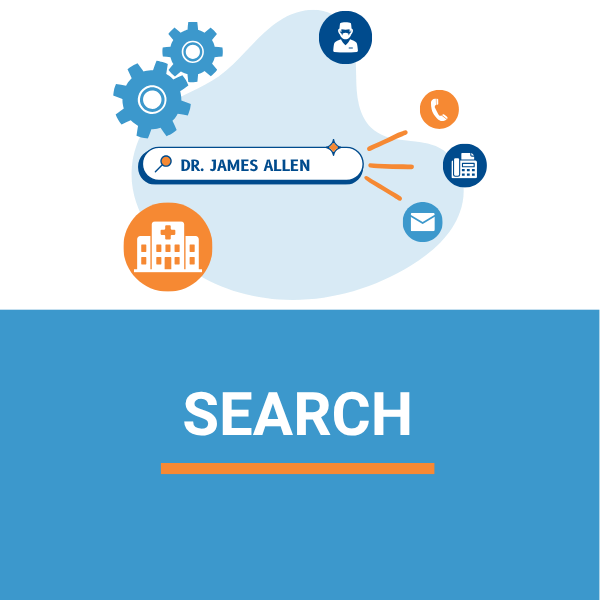
Identify the appropriate care team. Blend communication data with the plan’s own information to identify relevant organizations, practice locations, care team contacts, and communication endpoints. Match the destination to the task and the participating practice.
Deliver a clear, usable request. careMESH helps prepare clinical information with member context, the identified gap, and the requested action. Use standards-based content, including CCDAs, FHIR resources, and HL7 messages where appropriate, and select a delivery pathway suited to the recipient.
Confirm delivery and resolve failures. Monitor whether information reached its destination. Manage delivery issues and use alternate pathways when appropriate, so an unsuccessful attempt doesn’t become an invisible dead end.
Create a pathway for the work that follows. Closing care gaps is a team effort for provider groups. Let your provider network configure tasks, owners, due dates, and milestones around the program and participating care teams.
Bring attention to members at risk of delay. Prioritized worklists, overdue flags, and views of patient progress help coordinators see what needs attention. Use those tools to manage outreach, missing information, and handoffs across the care pathway.
Help the plan fill in missing medical history. A plan only has a fraction of a patient’s medical history. Provide a tool for the practice to fill in the rest and the best plan for patient outreach.
Connect the response to the next action. Define how practice updates inform the workflow. An appointment scheduled, a member who cannot be reached, or a request for additional information should trigger the appropriate next task. Delivery outcomes and destination feedback can also improve future routing.

careMESH for Payers
Give every next step an owner
Closing a care gap often requires several people and multiple interactions. A coordinator may need to contact the member, arrange a referral, request information, and follow up with another organization before completing care.
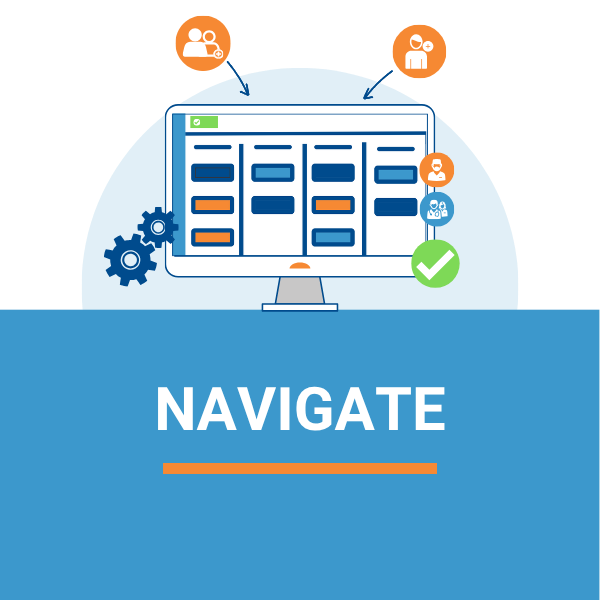
careMESH’s navigation capabilities give that work structure. Teams can track members through defined stages, assign tasks to responsible people, and see where progress has stalled. Participating plans and practices can configure a shared workflow with defined responsibilities and visibility.
The gap becomes a care pathway people can manage.
Share the answer needed to move care forward
A productive plan–practice relationship depends on useful information and clear expectations about what to share.
Gap-to-Action can be configured around focused, measure-specific responses. An operational update might confirm that an appointment was scheduled, that care was completed, or that the member is no longer seen at the practice. When the measure requires clinical evidence, define the relevant result, service date, source, and supporting documentation needed to evaluate closure.
The goal is to make each request purposeful and each response easier to use. Providers can communicate progress without defaulting to broad record requests for every interaction. Plans receive the information needed to determine the next step and assess whether they meet applicable reporting requirements.
Clear requests. Focused responses. Better coordination.
Know what happened after the alert
A shared goal with value for everyone involved
For health plan quality teams. Connect outreach with follow-up and practice responses. See which members need attention, where work is stalled, and where additional practice support may help. Use verified care and evidence to support HEDIS and Star Ratings programs.
For providers and practice teams. Give staff clear requests and manageable worklists. Coordinate scheduling and follow-up, and respond with task-relevant information. Where a plan offers provider incentives, configure the workflow to capture the evidence required by that program.
For members. Support a more coordinated path to screenings, appointments, and follow-up. Give the teams helping them a clearer view of what remains to be done.
Configure a workflow around a priority population or care need, such as:
Screening coordination: referral, scheduling, completion, and service evidence.
Chronic condition follow-up: needed testing or assessment, review, and the next care step.
Care transitions: communication with the receiving practice, follow-up scheduling, and completion tracking.
Each pathway should define who owns the work, which updates are needed, and what evidence confirms completion.
Use careMESH through the web app or integrate provider intelligence and clinical communication into existing applications through APIs. Configure workflows around the program’s care pathways, with supported EHR integrations for participating providers.
Build on the plan’s existing gap identification and quality reporting processes. Define how referrals, tasks, practice responses, and relevant clinical information move through the workflow, based on the available connections and capabilities.
Start with a practical care pathway
Delivery, acknowledgment, completed care, and verified gap closure are different milestones. Track them separately so teams know what remains.
Measure what changes in the configured program:
Delivery and response: confirmed delivery, practice responses, and time to response.
Care coordination: time between stages, overdue work, and outstanding handoffs.
Completed care: appointments or services completed, with the relevant evidence.
Quality progress: verified gap closure and measure performance using the plan’s reporting rules and data.
Use that visibility to focus support where it is needed and evaluate the program against its baseline.
Fits your existing environment
Connect quality priorities to completed care
Start with one priority population, a care gap, and a group of participating practices. Define the pathway, assign responsibility, and agree on the information needed to report progress and verify completion.
Then measure whether members move through care more reliably, whether practices can respond more easily, and whether the plan gains a clearer view of results.
Explore the careMESH Platform
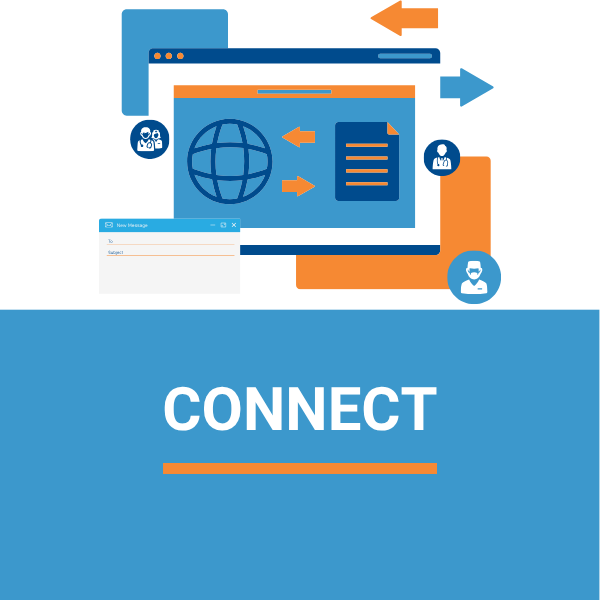
Healthcare organizations don’t need another single-channel messaging product.
They need intelligent communication delivery built on nationwide care team data, standards-based clinical exchange, managed routing, and visibility into what happens after Send.