
When Patients Fall Through the Cracks, It's Not for Lack of Caring
By Sarah Doss
Think about the last time a referral came in for a newly diagnosed oncology patient. Someone had to track down outside records. Someone had to confirm the appointment was scheduled. Someone had to ensure that the right team members were aware of the patient's stage and what needed to happen next.
Now multiply that by dozens of patients, across multiple specialties, managed through a combination of spreadsheets, sticky notes, EHR worklists, and memory.
That's the daily reality for clinical leaders running high-acuity programs, such as oncology, structural heart, transplant, dialysis, and limb preservation. The patients are complex. The stakes are high. And the systems meant to support care coordination often create more friction than they remove.
The result? Patients wait longer than they should. Follow-ups get missed. And the teams doing this work have no easy way to show what they've accomplished or where the gaps are.
Improving patient outcomes in specialty care doesn't start with better intentions. It starts with better visibility, clearer accountability, and structured pathways that make sure nothing — and no one — gets missed.
Understanding Patient Navigation in Specialty Care Programs
"Our program kept growing, the patient volume kept growing, and we outgrew that manual process."
Patient navigation is not a new concept. Navigation is a person-centered healthcare service delivery model that aims to overcome individual and systemic barriers to accessing timely, high-quality care. In practice, it means guiding a patient from the moment of referral or diagnosis through every step of their care journey — scheduling, records collection, authorizations, follow-up, and long-term monitoring.
The evidence for its impact is substantial. Among studies focused on cancer treatment initiation, 70% found a significant improvement in treatment initiation among patients enrolled in patient navigation programs, 71% of studies focused on treatment adherence demonstrated significant improvements, 87% of studies investigating patient satisfaction showed significant benefits, and 81% of studies reported a positive impact of patient navigators on quality care indicators.
The difference in time to treatment alone is striking. When averaged, the mean days from diagnosis to treatment was 34 days with patient navigation compared with 55 days for the control groups — a gap that, for a cancer patient, is anything but abstract.
Patients who receive navigation services have a shorter time to diagnosis and treatment, are more likely to complete their course of treatment, and report better understanding of their condition and the treatment process, as well as an overall higher quality of life.
And the policy landscape is catching up. Following decades of research demonstrating the efficacy of patient navigation on clinical and patient-reported outcomes, the Centers for Medicare & Medicaid Services (CMS) issued a final rule that pays for patient navigation and navigation-related services effective January 1, 2024.
The challenge isn't whether navigation works. It's whether your program has the infrastructure to do it consistently, at scale, without burning out your team.
How careMESH NAVIGATE Supports Structured, Scalable Patient Navigation
Most navigation programs today are held together by the dedication of individual coordinators — not by systems designed to support them. When a navigator is out sick, patients wait. When volume spikes, things slip. When leadership asks for program metrics, someone has to pull the data manually.
careMESH NAVIGATE was built to change that. It's a care coordination platform that guides patients through personalized care pathways — from referral to treatment to long-term follow-up — embedded directly inside your EHR. No separate login. No duplicate data entry. No learning a new system from scratch.
Integrating navigation into the cancer care continuum requires structured workflows that include intake assessments, barrier evaluations, and proactive patient outreach. NAVIGATE operationalizes exactly that — building individualized, adaptive workflows based on patient data already in the EHR, automatically activating and assigning tasks to the right care team members as each patient moves through their pathway.
The real-world results speak to what's possible when structure replaces improvisation.
At Tampa General Hospital, one of Florida's largest health systems, the Interventional Cardiology team had outgrown a manual process built on spreadsheets and physical patient folders. As their Center Manager described it: "Our program kept growing, the patient volume kept growing, and we outgrew that manual process." After implementing NAVIGATE in 2021, the system has since been adopted across more than 20 clinical programs at Tampa General.
Their Breast Oncology team used NAVIGATE to close a specific and costly gap: missing medical records that were delaying initial consultations. By centralizing record requests and tracking receipt status in a shared hub, the team reduced the likelihood that patients would be scheduled without the necessary records — preventing delays in care. As one clinical leader put it: "If someone is out on PTO, anyone can pick up where they left off, and there's no interruption in the care coordination process."
Their General Oncology team faced a harder truth: six patient referrals slipped through the cracks in a single month. After implementing NAVIGATE to manage scheduling, record requests, and authorizations across more than a dozen oncology specialties, the "guessing game" among staff was replaced by clear task ownership, visible patient status, and meaningful program metrics.
And in Limb Preservation, better oversight and earlier intervention — made possible by NAVIGATE — helped reduce the program's amputation rate by 20–25% and increased endovascular procedure intervention rates by 20%.
What NAVIGATE Enables for Your Team
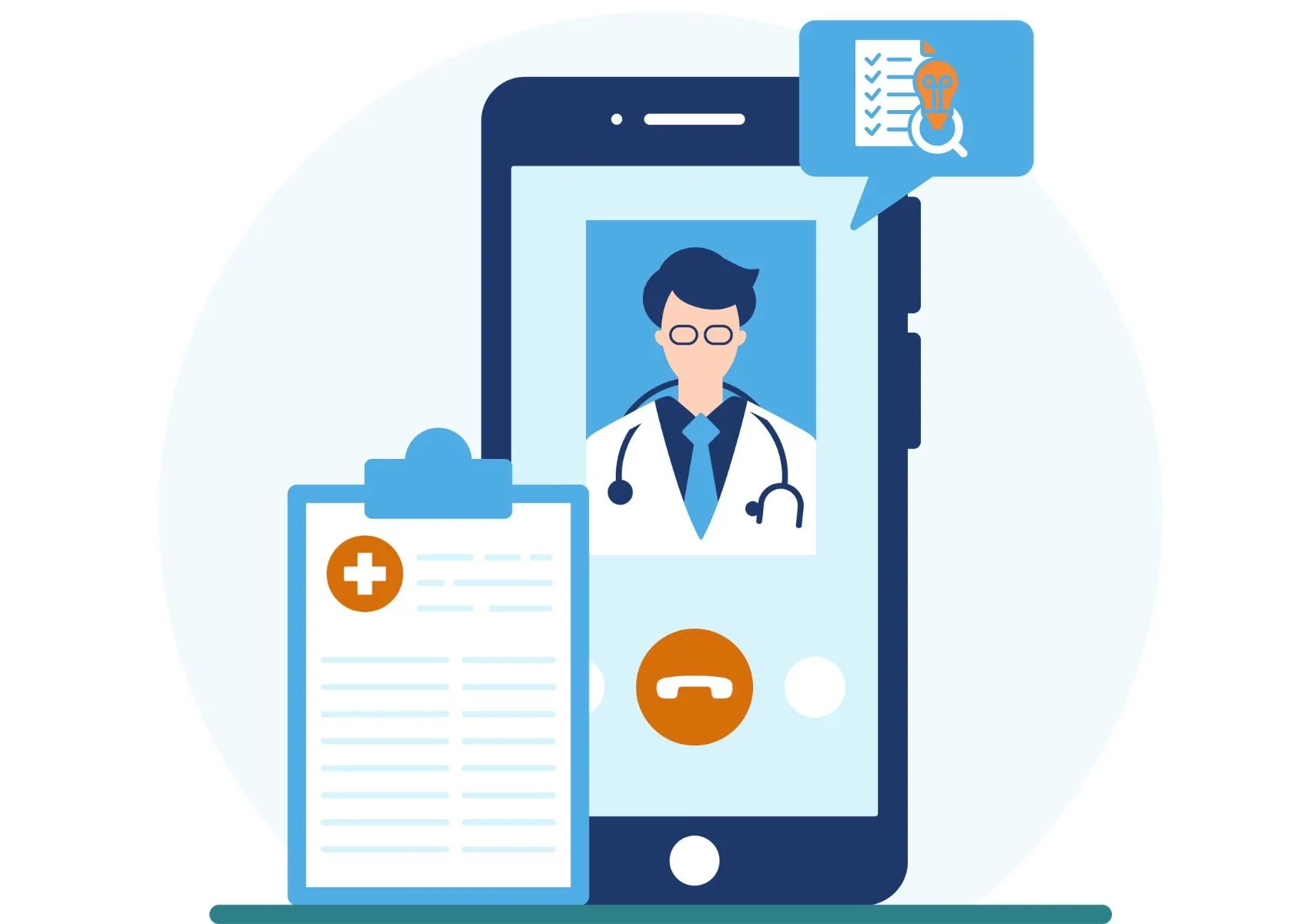
NAVIGATE is purpose-built for specialty programs managing complex, multi-step patient journeys. Here's what it puts in place:
Personalized Care Pathways: Build individualized workflows for each patient based on their diagnosis, program, and care stage, automatically adapting as their status changes. Applicable across oncology, structural heart, neurology, transplant, dialysis, and more.
Task Management and Prioritization: Automatically activate, assign, and close tasks as patients move through their pathway. Overdue and urgent items are flagged, and daily worklists are prioritized so coordinators always know what needs attention first — and nothing falls through the cracks.
Seamless Communication Across Teams: Send and track medical record requests, referrals, discharge support communications, and screening follow-ups — across internal departments and external organizations, all from within the same platform.
Real-Time Program Metrics: Monitor patient volumes by care stage, track transition times, and measure workload and team performance. Give clinical and operational leaders the visibility they need to manage program performance and demonstrate value.
Deep EHR Integration, Including an Epic App: NAVIGATE launches directly within your EHR, eliminating duplicate data entry and integrating with the workflows your team already uses. It doesn't replace your EHR — it makes it work better for complex care coordination.
Rapid Implementation and Customization: NAVIGATE can be deployed quickly and configured to your program's specific workflows — whether you're standing up a new navigation function or formalizing one that's been running on spreadsheets.
Why It Matters for Clinical and Operational Leaders
Implementing a tailored navigation model that aligns with institutional goals and patient needs enhances access to care, minimizes delays, and improves patient satisfaction. But that alignment requires more than good intentions — it requires infrastructure.
For clinical leaders, the stakes are clear: patients in high-acuity programs cannot afford delays, missed follow-ups, or communication gaps. Effective communication among the navigator, patient, and multidisciplinary care team is essential to prevent care gaps and improve adherence to treatment plans. By incorporating standardized navigation metrics — such as time from diagnosis to treatment initiation and psychosocial distress screenings — programs can measure effectiveness and identify areas for improvement.
For operational leaders, the pressure is equally real. As navigation services continue to evolve, integrating standardized metrics and financial sustainability models will be critical for long-term impact. Measuring success through patient satisfaction, treatment adherence, and healthcare utilization ensures that navigation remains a cornerstone of equitable cancer care.
NAVIGATE addresses both dimensions. It gives care teams the structure to ensure every patient is tracked, every task is owned, and every follow-up happens on time. And it gives program leaders the data to show what navigation is actually delivering — in time to treatment, in referral integrity, in patient volume by stage, and in team performance.
The work your navigators do every day is already making a difference. NAVIGATE makes that work visible, sustainable, and scalable.
What's Next for Your Navigation Program?
Cancer patient navigation has consistently been demonstrated to improve outcomes, reduce disparities in care, and lower costs for patients, healthcare organizations, and payers. The evidence is there. The reimbursement framework is in place. What remains is the operational question: does your program have the infrastructure to deliver on that promise consistently?
If your team is still managing patients across spreadsheets, chasing records by phone, or relying on individual memory to keep complex pathways on track — there's a better way. One that fits inside your EHR, adapts to each patient's journey, and gives your entire care team a shared view of what's happening and what needs to happen next.
Improving patient outcomes in specialty care is a team effort. careMESH NAVIGATE gives that team the structure, visibility, and coordination tools to make it happen — every patient, every time.
Ready to see what structured navigation looks like in practice?
Contact careMESH today to learn more